
Introduction
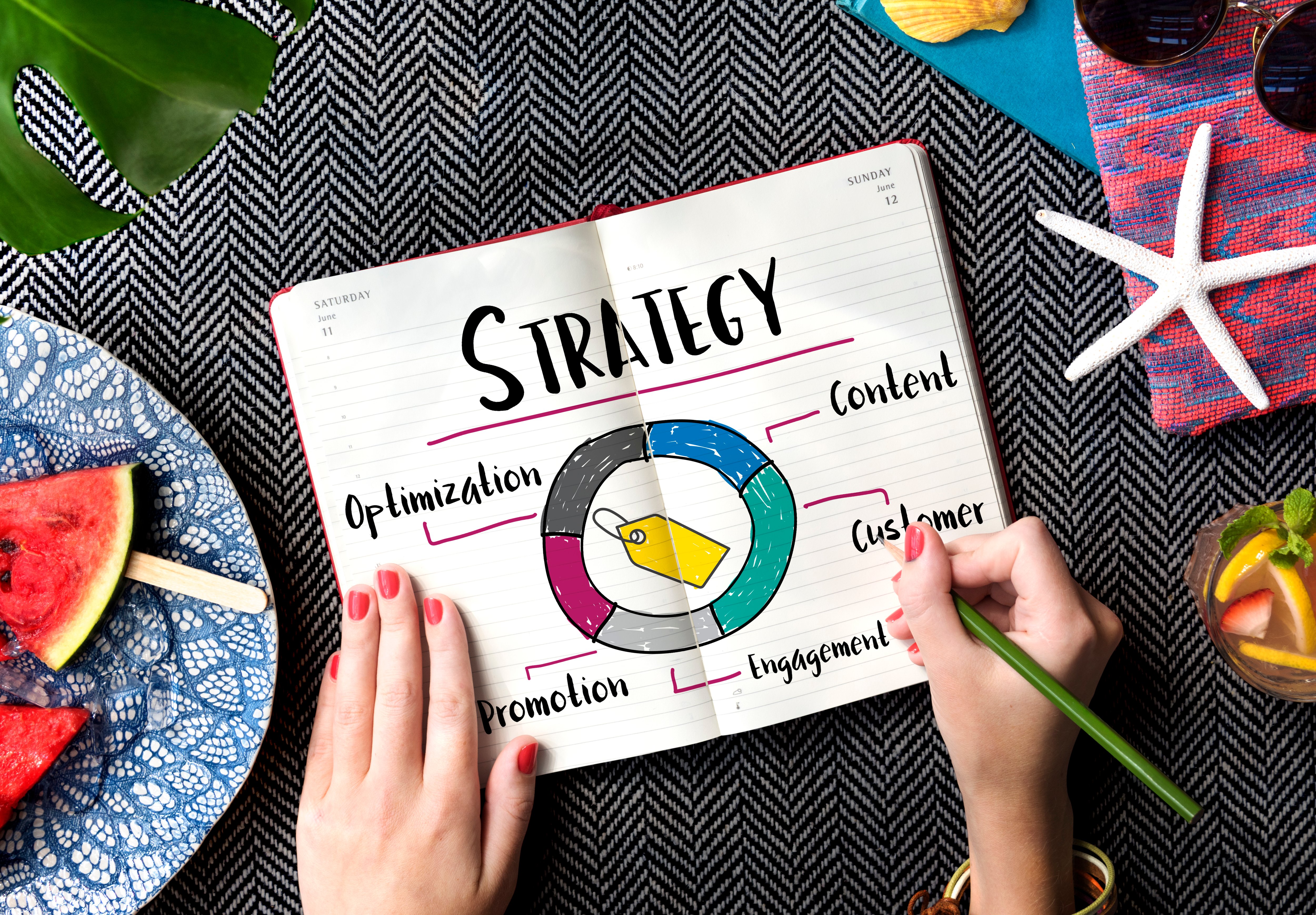
In today’s fast-paced marketing landscape, two terms are often used interchangeably — creative strategy and marketing strategy. But while they are interconnected parts of a successful campaign, they are distinct disciplines with different purposes, foundations, and impacts. Understanding the difference — and how to use both effectively together — is a major advantage for brands that want to craft campaigns that are not just seen, but felt, remembered, and acted upon. myatpwintthu.com
Let’s dive deep into what these two strategies really mean, how they work, and why both are essential for long-term success.
1. What Is Marketing Strategy?

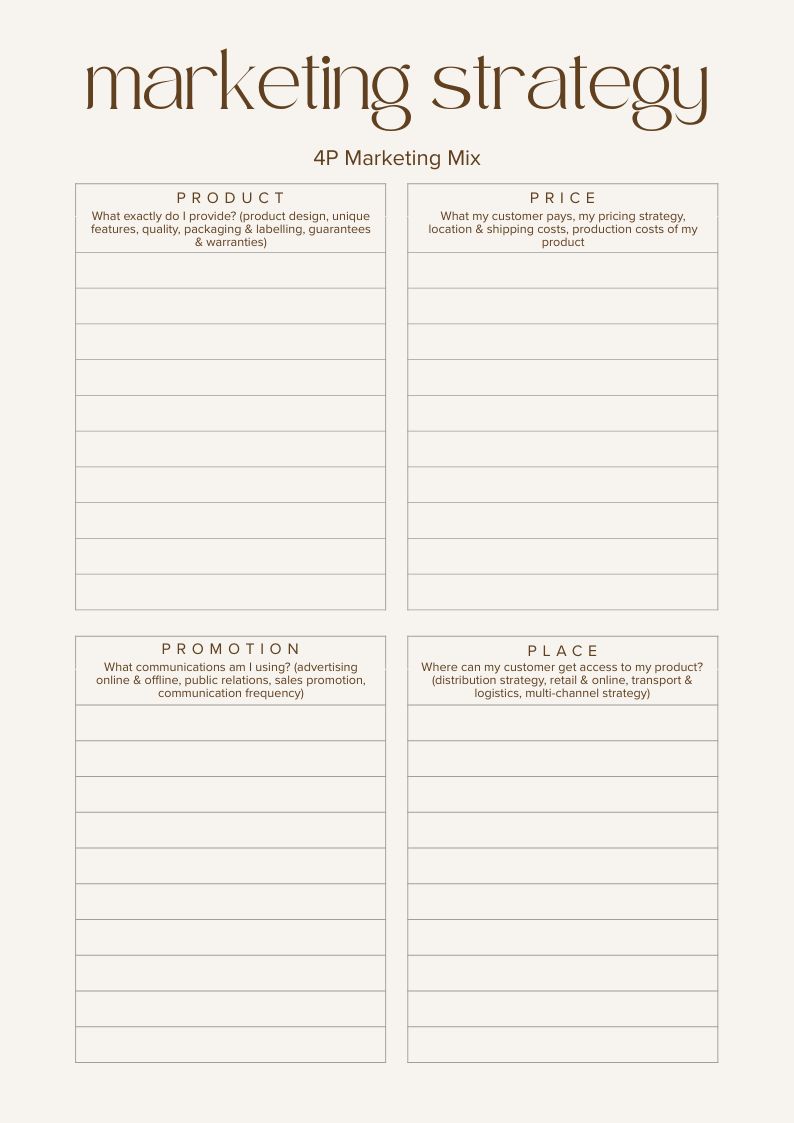
At its core, marketing strategy defines how a brand will achieve its business goals. It sets the framework for where and how the brand will compete with others in the marketplace. It is strategic thinking turned into a roadmap — based on research, business goals, audience understanding, and measurable outcomes. myatpwintthu.com
A solid marketing strategy includes:
✔ Market segmentation
Identifying the distinct groups or segments within a broader audience who share similar needs or behaviors.
✔ Target audience definition
Deciding which group(s) the brand should focus on — not just who they are demographically, but what pain points they have that the brand can solve.
✔ Channel planning
Figuring out which channels (digital, traditional, retail, events, partnerships) will most effectively reach the target audience.
✔ Budget allocation
Distributing investment across channels and initiatives in a way that aligns with goals and expected returns.
✔ KPI measurement
Setting measurable performance indicators — like awareness lift, lead generation, conversion rates, or sales growth — to track how well the strategy is performing. myatpwintthu.com
In essence, marketing strategy answers these fundamental questions:
Where will we compete? Who will we compete for? And what value proposition will we offer to win? Wikipedia
Marketing strategy is business-driven. It leans on data, planning, and analytical rigor to set direction and priorities.
2. What Is Creative Strategy?
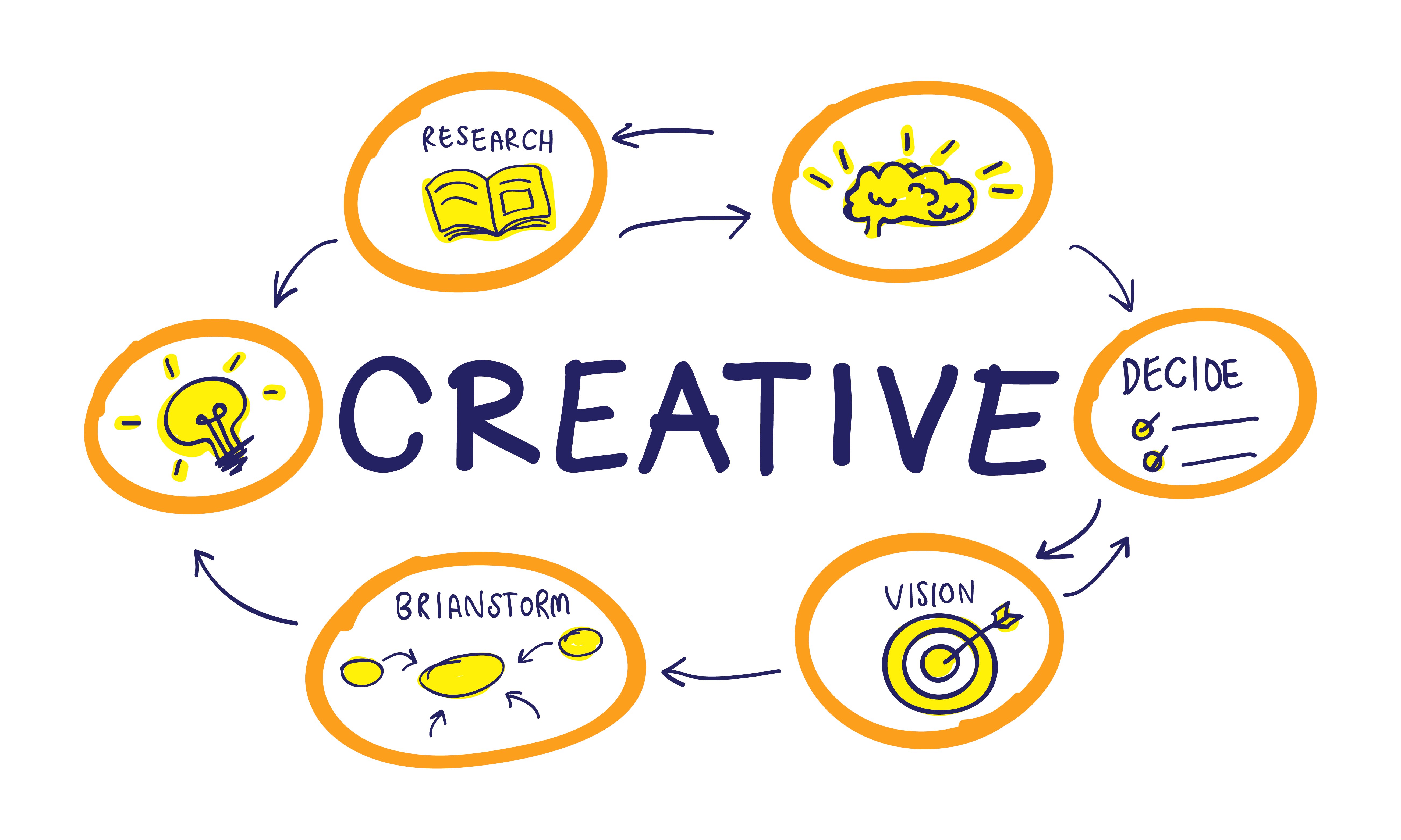
Once we know where and why we are competing, the next question becomes: how do we make people care?
That’s where creative strategy steps in.
While marketing strategy defines the battlefield and the targets, creative strategy defines how the brand communicates on that battlefield — by shaping the message, the voice, the emotional tone, and the artistic expression that will resonate with audiences. myatpwintthu.com
Creative strategy includes:
✔ Messaging architecture — What are the core messages and ideas the brand should communicate?
✔ Emotional connection — What feelings should the campaign evoke (trust, excitement, inspiration)?
✔ Storytelling approach — What narrative will make the audience care?
✔ Creative consistency — How to ensure that every message aligns with the brand’s personality and values. myatpwintthu.com
Creative strategy answers:
How will we make our marketing strategy felt, understood, and remembered? myatpwintthu.com
Unlike marketing strategy, which is analytical, creative strategy is idea-driven. It focuses on insights and storytelling that make people stop, smile, think, and share. Vaia
3. Key Differences Between Creative and Marketing Strategy
| Marketing Strategy | Creative Strategy |
|---|---|
| Business-driven | Idea-driven |
| Focuses on where and how to compete | Focuses on what is said and how it is expressed |
| Channel and planning focused | Message and emotion focused |
| Uses data, audience insights, and KPIs | Uses insights, storytelling, and brand resonance |
| Sets direction and measurable outcomes | Shapes perception and engagement |
A deeper comparison
Purpose
Marketing strategy ensures the brand reaches the right people with a clear value proposition.
Creative strategy ensures that those people actually care about and remember what they see.
Foundation
Marketing strategy is rooted in research, competitive analysis, and market opportunity.
Creative strategy is rooted in insight into human emotions, cultural trends, and memorable storytelling. rohansingh.io
Outcome
Marketing strategy aims to move people through a funnel — awareness, interest, decision, action.
Creative strategy aims to make an emotional connection that sticks with them long after the first encounter. Vaia
4. Why Both Strategies Must Work Together
Separating creative from strategy is like trying to run a race with one leg tied behind your back.
Here’s why both strategies need to be aligned:
✅ Cohesive Campaigns
When creative supports marketing strategy, every campaign element — from visuals to messaging to channel — feels purposeful. There’s no disconnect between what we say and why we say it.
This means every ad, email, video, or social post reinforces the strategic objective instead of existing in a silo.
✅ Stronger Brand Equity
Creative strategy supports long-term brand equity by building emotionally relevant content. This leads to deeper recall and stronger connections with audiences — even as tactical performance improves.
When creative and strategy collaborate, campaigns feel consistent and brand-defining.
✅ Better ROI
Marketing strategy alone can help you get eyeballs — but it might not make them care. Creative strategy alone can make something memorable — but it might not reach the right people.
Together, they ensure that:
▶ The right message reaches the right audience
▶ The audience not only sees it, but feels it
▶ The campaign achieves both short-term results and long-term brand value
This alignment also means your media budget works harder because creative and strategic choices amplify each other.
5. Real-World Examples: How Creative and Marketing Strategy Work Together
Understanding these concepts becomes clearer when we see them in action:
📌 Spotify Wrapped
Marketing Strategy: Build customer loyalty at year-end by encouraging sharing and social visibility.
Creative Strategy: Personalized, colorful year-in-review visuals that make millions share their listening stats — turning customers into brand ambassadors.
Result: Organic social amplification and stronger emotional connection. Trinergy
📌 Coca-Cola “Share a Coke”
Marketing Strategy: Increase consumption by making bottles feel personal.
Creative Strategy: Replace Coke logos with popular names and phrases.
Result: Big boosts in engagement, user-generated content, and sales. Vaia
📌 Nike Campaigns (e.g., “Dream Crazy”)
Marketing Strategy: Position the brand as a champion of belief, courage, and excellence.
Creative Strategy: Bold storytelling featuring real athlete narratives and socially relevant figures.
Result: Emotional resonance and strong alignment with brand identity. Trinergy
These examples show how strategic thinking guides what you do, and creative execution brings it to life.
6. Common Mistakes Brands Make
Despite the benefits of aligning both strategies, many brands fall into similar traps:
1. Launching Campaigns Without a Creative Strategy
Tactics without narrative lead to disjointed communications — good visuals but little resonance.
Without creative strategy, content often feels generic or forgettable.
2. Treating Creativity as Just Execution
Too often creativity is considered only production — visuals, writing, maybe catchy music.
But true creative strategy is about messaging that connects to consumer motivations and insights. Reddit
3. Optimizing for Short-Term Metrics Only
Focusing only on clicks and conversions can leave the brand value behind.
If campaigns are only performance-driven, they often miss the deeper reasons why people buy, subscribe, or engage.
4. Disconnect Between Teams
When creative teams and marketing strategists work in silos, campaigns lack unity.
Better outcomes happen when strategy informs creative from the start.
7. How to Build Both Strategies Effectively
Here’s a practical framework to build and align both strategies:
Step 1: Define Your Business and Marketing Goals
Be specific and measurable.
Example objective: Increase qualified leads by 25% in Q2 through targeted digital campaigns.
Clearly state what success looks like.
Step 2: Know Your Audience Deeply
Who are they?
What motivates them?
What problems are they trying to solve?
Which channels do they use?
Deep audience insights fuel both strategy and creativity.
Step 3: Build Your Core Strategic Framework
Map out:
✔ Target segments
✔ Positioning statement
✔ Value proposition
✔ Channel plan
✔ KPIs
This is your marketing strategy blueprint.
Step 4: Develop Creative Direction
From your strategic blueprint, ask:
👉 What story will resonate with this audience?
👉 What emotional triggers will motivate action?
👉 What tone and style match both the brand and the audience?
Create a creative brief that includes messaging priorities, emotional cues, visual themes, and execution guidelines.
Step 5: Align Cross-Functionally Early
Bring marketing strategists, creative directors, and media planners together before execution.
This builds shared ownership, consistent messaging, and integrated execution.
Step 6: Test, Learn, and Iterate
Successful strategies are dynamic.
Measure performance not just on clicks, but on engagement, sentiment, and brand metrics.
Use insights to refine both strategy and creative work.
8. Conclusion: Why Mastering Both Wins the Long Game
In the modern world of marketing, strategy and creativity are inseparable powers. One defines direction, the other brings it to life. When these forces work together — grounded in audience insight, strong storytelling, and purposeful execution — brands don’t just run campaigns — they create meaningful impact.
To recap:
🔹 Marketing Strategy sets the destination and the roadmap.
🔹 Creative Strategy makes the journey compelling and unforgettable.
🔹 Together, they transform campaigns from “seen” to felt. myatpwintthu.com
Mastering both is not just a competitive advantage — it’s the future of effective brand communication.